
Retrofit Windows vs. Full-Frame Replacement: Which is Right for Your Home?
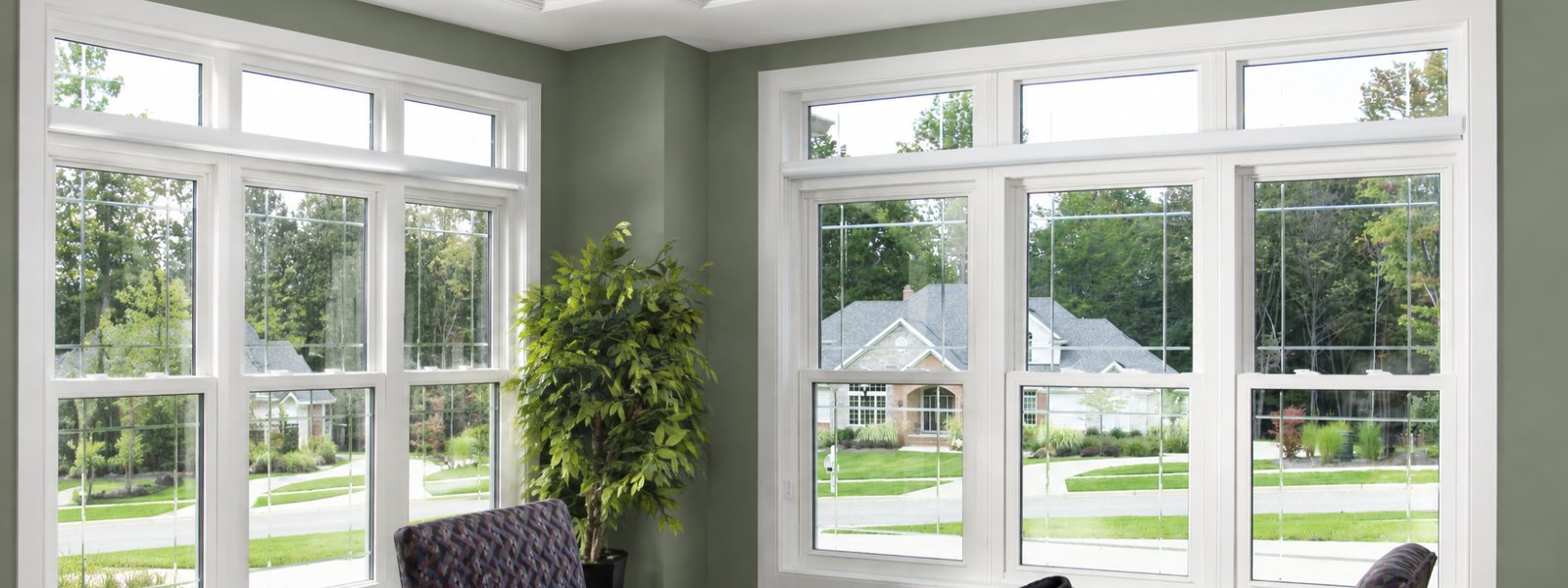
Replacing old windows doesn’t always mean removing everything down to the original opening.
For homeowners with window frames that are still in good condition, retrofit windows can provide a more targeted way to improve appearance, comfort, and energy efficiency. Rather than rebuilding the entire window opening, a retrofit installation uses the existing structure to accommodate the new window.
But retrofit isn’t right for every home. If age, rot, or water damage has compromised more than the window itself, a full-frame replacement may be the smarter long-term investment.
So, what’s the difference?
At EntryPoint Doors & Windows, we’ve helped Greater Atlanta homeowners navigate replacement window options for more than 20 years. Understanding how retrofit windows compare with full-frame replacement is a good place to start before deciding which approach makes sense for your home.
What are Retrofit Windows?
Retrofit windows are replacement windows installed within or in conjunction with an existing window frame rather than removing the complete window assembly and rebuilding from the rough opening.
You may also hear a retrofit window described as an insert or sash replacement depending on the window system and installation method. The basic idea is the same: preserve the portions of the existing opening that are still performing properly and replace what needs to be upgraded.
This can make retrofit windows particularly useful in homes where the existing frame, sill, and surrounding materials remain structurally sound.
EntryPoint’s primary replacement window line, the Sunrise Collection Vanguard Window, offers homeowners an unusual amount of flexibility. Vanguard is available as both a pocket-fit, or insert, window and a full-frame replacement, giving us the ability to recommend an installation method based on what the existing opening actually needs.
Other options include EntryPoint’s Precision Windows, many of which can also be installed as either a sash replacement or a full-frame replacement, and Windsor’s Revive line, which offers pocket replacement windows designed to install within the existing window frame. When you’ve got options like these, it’s easier to pick what’s best for your house and your wallet.
How is Full-Frame Window Replacement Different?
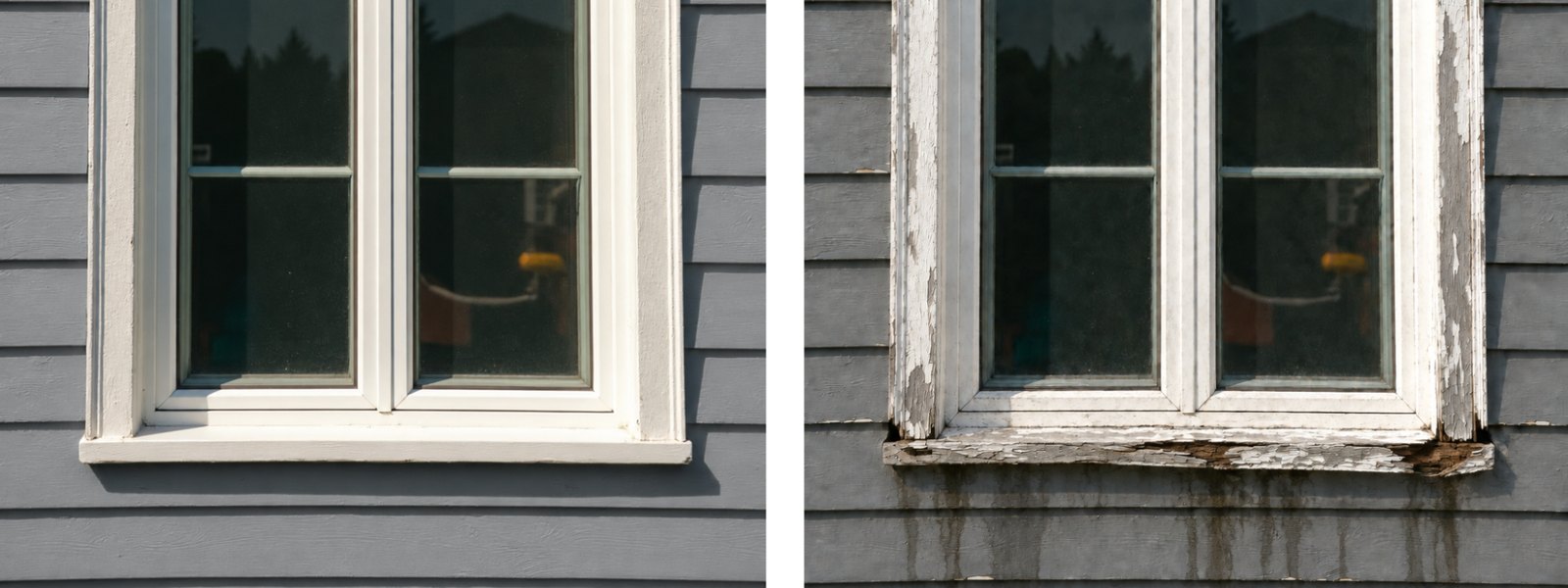
Full-frame replacement goes further.
And it’s important to understand what “full-frame” actually means. Some window companies use the term when they’re installing a pocket or insert window and covering the existing frame with thin aluminum capping. That can be a good solution in the right situation, but it isn’t what EntryPoint means by full-frame replacement.
When we say full-frame, we mean removing the old window and frame back to the studs and installing the new unit as a complete system with new trim. This gives installers access to the rough opening and makes it possible to address issues that may be hidden behind the existing frame.
This approach can be particularly important when deterioration extends beyond the operable portions of the window.
If old wood windows have rot throughout the sash, frame, sill, or exterior trim, for example, covering the problem with a retrofit installation doesn’t address the damaged material underneath. A full-frame replacement project gives installers access to those areas so the underlying condition can be addressed before the new window is installed.
EntryPoint’s Precision line offers full-frame and sash replacement options, making it possible to choose the approach based on what the existing window actually needs.
Retrofit Windows vs. New Construction Windows
Another term homeowners often encounter is new construction windows.
Unlike retrofit windows, new construction windows are generally designed for situations where the wall assembly and window opening are exposed, such as during construction or a more extensive renovation. They can incorporate attachment features intended to integrate directly with the surrounding structure.
That doesn’t mean a homeowner replacing existing windows automatically needs a new construction window.
If the existing frame is structurally sound, a retrofit approach may avoid unnecessary disturbance to the surrounding finishes. If the opening needs substantial repair or reconstruction, however, a more comprehensive installation may be appropriate.
The best choice isn’t determined by which method sounds newer. It’s determined by the condition of the existing window and the goals of the replacement project.
When Do Retrofit Windows Make Sense?
The strongest candidate for a retrofit installation is a window with a sound existing frame but aging or inefficient components.
Imagine an older single-hung window that has become difficult to operate or no longer provides the performance you want. If the surrounding structure remains solid, installing a new single-hung window without removing the complete frame may provide the upgrade you’re after with less disruption.
The same principle can apply to casement windows and other configurations depending on the existing system.
This is one reason homeowners should have their windows evaluated before assuming every opening needs the same treatment. EntryPoint offers a variety of replacement window styles, including double-hung, picture, casement, sliding, bay, shaped, and awning windows, so the new window can address both the home’s condition and the way you want the space to function.
When is Full-Frame Replacement the Better Choice?
A retrofit installation depends on having something worth preserving.
If the existing frame has significant rot, structural deterioration, or water damage, leaving it in place can undermine the investment you’re making in the new window. Those conditions can also signal that moisture has reached areas beyond what you can see from inside the room.
Full-frame replacement allows installers to expose the opening and evaluate more of the surrounding structure.
It can also make sense when you’re changing the dimensions or configuration of a window rather than simply replacing what’s already there.
The goal shouldn’t be to choose the least invasive installation every time. It should be to replace windows in a way that solves the underlying problem rather than hiding it.
Can Retrofit Windows Improve Energy Efficiency?
Yes, provided the existing frame and installation conditions support them.
Replacing older windows gives homeowners access to technologies designed to improve energy efficiency, including double-pane windows, low-E coatings, improved weatherstripping, and insulated frames.
A modern double-pane window uses two panes of glass with an insulating space between them. Low-E coatings can help control heat transfer through the glass, while an insulated frame can further improve the performance of the complete unit.
That matters in Georgia, where managing solar heat gain is an important part of keeping a home comfortable through long, hot summers. EntryPoint’s Atlanta replacement windows are selected with the region’s changing temperatures, humidity, and energy demands in mind.
The installation still matters. Even an energy-efficient window can underperform if gaps or problems in the existing opening aren’t properly addressed.
Choosing Window Materials for a Retrofit Project
Installation method is only one decision. You’ll also need to choose the window itself.
Vinyl windows are popular because they’re low maintenance and can offer strong thermal performance at an approachable price point. A quality vinyl frame doesn’t require the regular painting associated with traditional wood and can incorporate multiple chambers that improve insulation.
For homeowners who love the character of wood windows, wood remains an option as well. Modern wood windows can provide warmth and architectural detail that fit beautifully with traditional homes.
EntryPoint works with multiple manufacturers and materials rather than limiting homeowners to one solution. Its window catalogs provide a closer look at available products, finishes, glass packages, and performance options.
Retrofit Window Styles: Casement, Awning, Picture and More
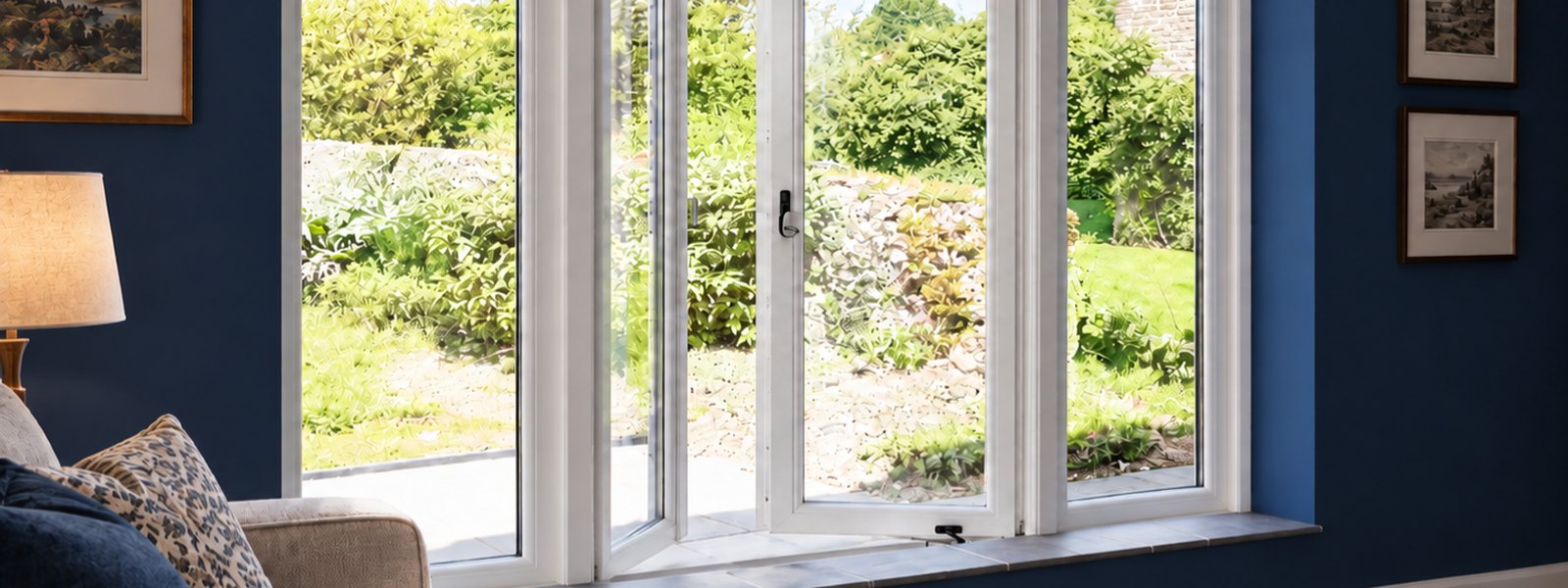
Choosing retrofit windows doesn’t mean you’re limited to one look.
A casement window is hinged at the side and opens outward, providing a broad opening for ventilation. Awning windows are hinged at the top and can provide airflow while helping protect the opening from light rain.
Picture windows don’t open at all. Instead, they’re designed to provide large areas of uninterrupted glass for views and natural light. Combining picture windows with operable windows can create a larger composition without sacrificing ventilation elsewhere.
Traditional single- and double-hung designs remain popular as well.
If changing the style is possible within the existing opening, a replacement window can do more than fix an old window. It can change the way the room looks, ventilates, and connects with the outdoors.
Homeowners looking for ideas can browse EntryPoint’s window installation gallery to see how different styles affect real Atlanta-area homes.
What About Window Brands?
There isn’t one window that’s right for every house, but EntryPoint’s main replacement window line is the Sunrise Collection Vanguard Window. It’s the window we install most often, in part because it gives homeowners the flexibility of both pocket-fit and true full-frame replacement options.
Different window brands offer different frame materials, glass packages, operating styles, finishes, and customization options. EntryPoint also works with Soft-Lite, Precision (Enviroguard), Windsor, and Sun, giving homeowners the ability to compare products instead of being locked into one system.
Homeowners researching online may also encounter Milgard windows, along with many other national manufacturers. Brand recognition can be useful, but the logo shouldn’t be the only consideration.
Compare how the window is constructed, how it will be installed in your specific home, available warranties, energy-performance data, and the quality of the installer standing behind the work.
EntryPoint’s window manufacturer catalogs make it easier to compare many of the brands and product lines the company actually installs.
Don’t Forget Hardware and Everyday Function
Performance isn’t limited to glass and frames.
The hardware on a window affects how it opens, closes, locks, and feels in everyday use. If your existing windows stick, refuse to stay open, or require a wrestling match every time you want fresh air, new hardware and a better-designed operating system can make a noticeable difference.
This is particularly important when comparing window styles. The operating mechanism on a casement window is very different from the locks and balances used on a hung window.
Seeing those differences in person can help. At EntryPoint’s Buford showroom, homeowners can look at window products up close rather than making every decision from a photograph or product sheet.
Will Retrofit Windows Change Your Home’s Curb Appeal?
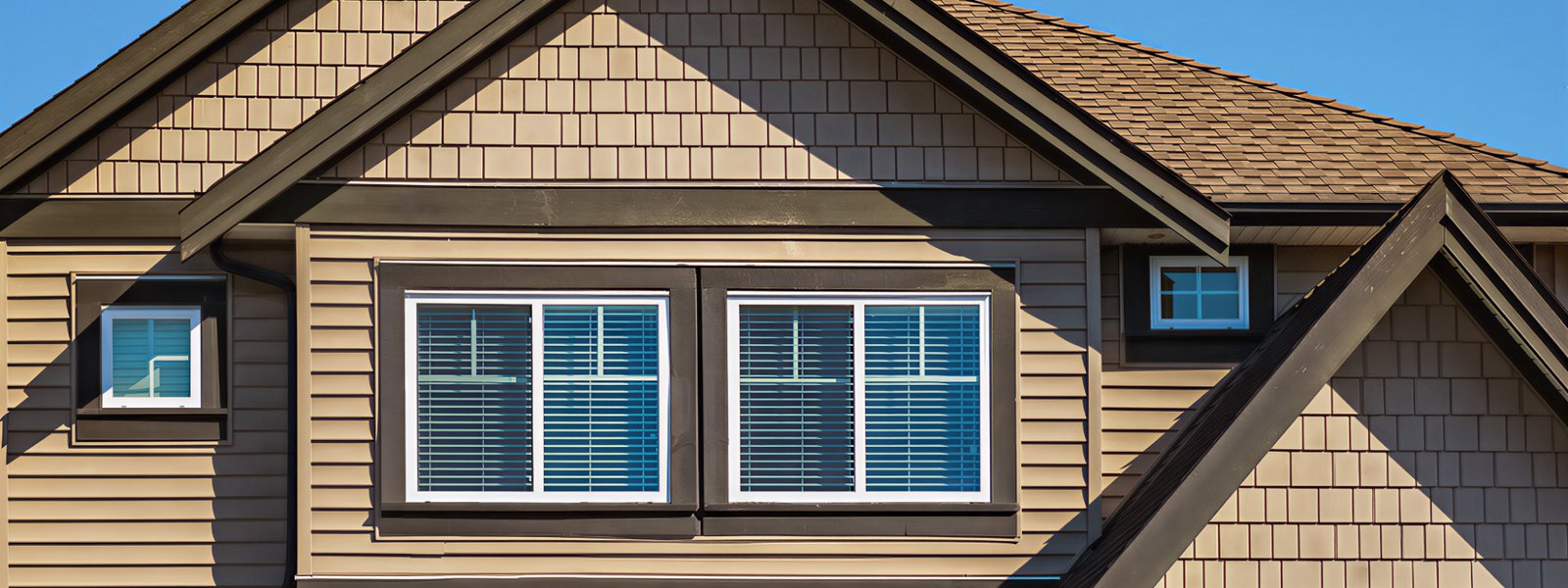
They certainly can.
Windows make up a significant portion of a home’s exterior, so replacing faded, deteriorated, or visually dated units can have an immediate effect on curb appeal.
New vinyl windows with clean sightlines can sharpen the exterior of a traditional home. Updated grids can reinforce its architecture. A larger picture window can create a more open look. Even a straightforward single-hung window replacement can make the facade feel cleaner when old frames and finishes have begun to show their age.
The goal is to balance the performance improvements you want inside with the curb appeal you want outside.
That’s another reason to look beyond specifications alone. EntryPoint’s windows gallery shows the visual side of window replacement and how different choices work with different home styles.
Retrofit Windows vs. Full-Frame Replacement: Which Costs Less?
Because retrofit windows preserve more of the existing assembly, they can involve less demolition and finish work than a full-frame installation under the right conditions.
But that doesn’t automatically make retrofit the better value.
Installing a retrofit window into a compromised frame simply postpones a problem you’ll eventually have to address. If there’s hidden rot or water damage, paying for the more extensive work now may be more cost-effective than completing another replacement project later.
The product itself also affects cost. Frame material, glass package, size, operating style, hardware, custom options, and warranties all influence the final investment.
A good estimate should therefore answer two questions: What new window do you need, and what installation method does the existing opening require?
What Should You Look for in Window Warranties?
Before choosing new windows, understand what the manufacturer and installer actually stand behind.
Window warranties can vary by product and may cover different components for different periods. Glass, frames, seals, and hardware may not all carry identical terms.
EntryPoint states that its primary replacement windows are backed by a limited lifetime warranty, but homeowners should still review the specific coverage associated with the manufacturer and product they choose.
The best window purchase isn’t simply the one with the longest warranty language. It’s one where the product, installation, and coverage all make sense together.
Are Retrofit Windows Right for Your Atlanta Home?
Retrofit windows can be an excellent option when the existing window frames are structurally sound, and you want better performance without turning window replacement into a larger renovation.
They can give homeowners access to modern double-pane windows, low-E coatings, better seals, and more efficient frame designs while preserving parts of the existing opening that don’t need to be replaced.
Full-frame replacement is the better approach when the opening tells a different story. Rot, extensive water damage, deteriorated framing, or a major change in window configuration can justify taking the installation back to the rough opening and rebuilding from there.
For some homes, the answer may even be a combination. One opening may be a good candidate for retrofit while another requires full-frame work.
That’s why the smartest first step isn’t deciding which installation method you want. It’s finding out which one your home needs.
Find the Right Replacement Windows With EntryPoint
Whether your home calls for retrofit windows or full-frame replacement windows, the goal is the same: make the house more comfortable, efficient, and enjoyable without doing more work than the project actually requires.
Since 2003, EntryPoint Doors & Windows has helped homeowners throughout Greater Atlanta choose and install windows designed around their homes, priorities, and budgets. From vinyl windows and wood windows to casements, picture windows, and other styles, the team can help you compare the products and installation approaches available.
If you’re considering a window upgrade, visit EntryPoint’s Buford showroom to explore your options in person or request a free estimate to find out whether retrofit or full-frame replacement makes more sense for your home.