Exploring Types of Windows: A Guide for Greater Atlanta Homeowners
Choosing the right replacement windows for your home is one of the most impactful decisions you can make. Windows do more than fill an opening in a wall; they define your home’s architectural aesthetic, shape natural light, improve ventilation, and control indoor comfort year-round. With so many window types on the market today, choosing can feel overwhelming.
At EntryPoint Doors & Windows, we’ve spent more than 20 years guiding homeowners across Greater Atlanta through window selection and installation. Whether you are replacing your windows to lower monthly utility bills, fix rot and drafts, or boost your home’s curb appeal, start by understanding how different window styles operate, perform, and complement your living spaces.
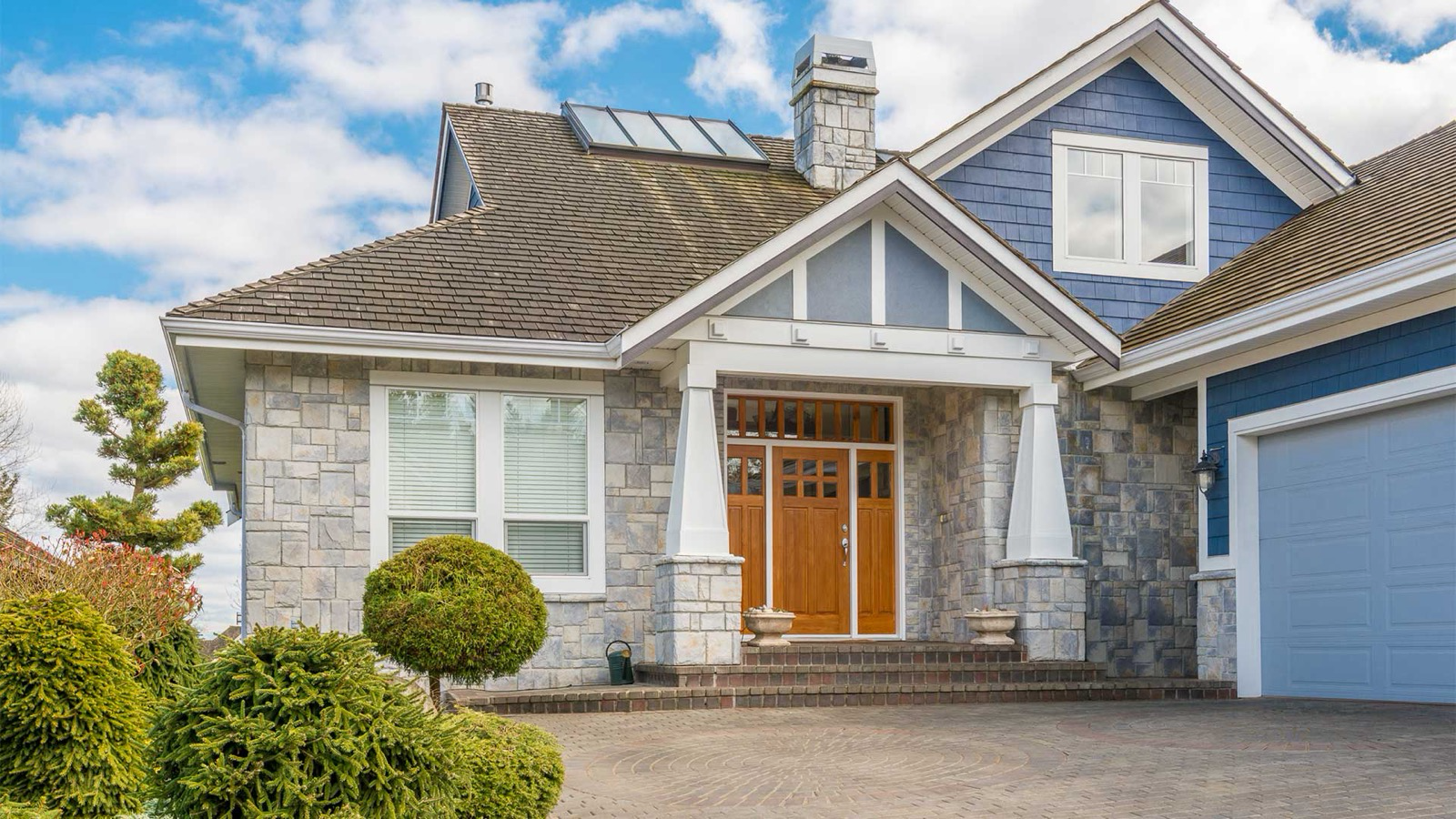
In this comprehensive guide, we’ll break down the most popular window types, explore frame materials and glass options, and help you choose styles that fit your lifestyle and budget.
Understanding Window Anatomy and Functionality
Before diving into specific window styles, it helps to understand a few fundamental terms that describe how windows are constructed and how they operate.
Every window has a frame that holds the entire assembly together inside the wall opening, plus glass panels (also known as glazing). The window sashes sit within the frame—the structural frames that hold the glass.
Depending on whether a window opens or remains stationary, it falls into one of two primary categories:
- Operable windows: These have movable sashes that open for fresh air and ventilation. Common examples include double-hung, casement, and sliding windows.
- Fixed windows: These do not open and have no movable sashes. They are engineered strictly for natural light, thermal insulation, and expansive views, such as picture windows and shaped windows.
Whether you choose operable or fixed options, understanding these basic components helps you evaluate how different designs operate and perform in your home.
Classical & Popular Operable Window Styles
1. Double-Hung Windows
Double-hung windows are among the most popular replacement windows installed in American homes today. They feature two movable vertical sashes—an upper and a lower sash—that slide within the window frame.
Because both the top and bottom sashes move, double-hung windows offer exceptional airflow management. Lowering the upper sash allows warm, stale air near the ceiling to escape, while raising the bottom sash draws cool, fresh outdoor air into the room.
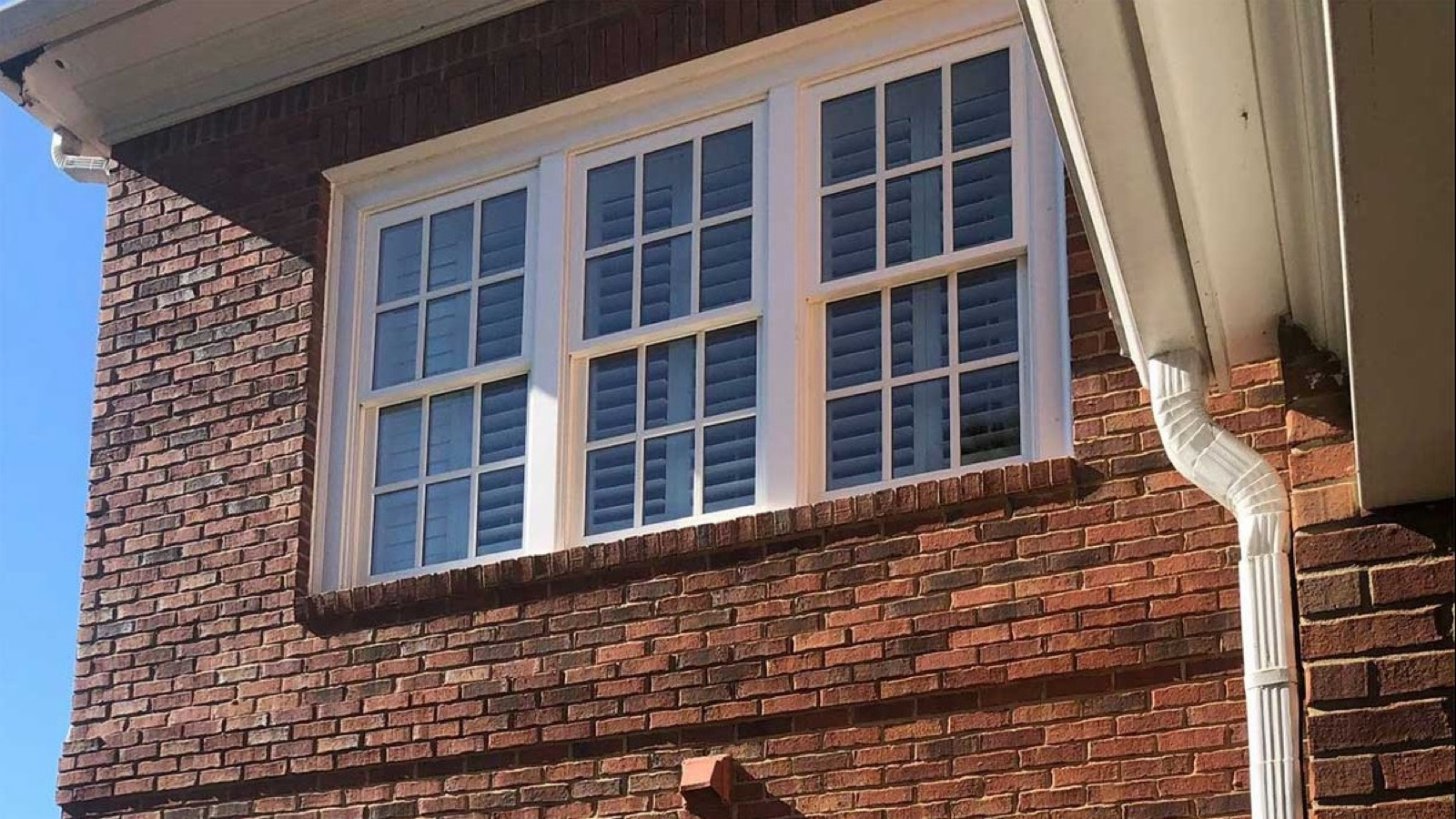
Modern double-hung windows also feature tilt-in sashes, making cleaning quick and effortless. Instead of climbing ladders outside, you can simply tilt both sashes inward to clean the exterior glass safely from inside your home.
2. Single-Hung Windows
Single-hung windows look similar to double-hung designs, but only the bottom sash moves. The upper sash remains stationary within the frame.
Because single-hung windows have fewer moving mechanical parts, they often cost slightly less. They remain a traditional, cost-effective choice for many homeowners, particularly on multi-story homes where exterior glass cleaning is handled professionally or from lower ground levels.
3. Casement Windows
If you want unobstructed views paired with maximum ventilation, casement windows are an ideal choice. A casement window is side-hinged and swings outward like a door.
Most casement windows utilize a smooth crank mechanism to open and close the sash securely. Because the sash presses tightly against the frame when closed and locked, casement windows deliver outstanding energy efficiency and weather resistance during heavy wind and rain. They are especially popular in modern, craftsman, and transitional home designs, as well as over kitchen sinks, where reaching up to push up a hung window can be inconvenient.
4. Sliding Windows (Slider Windows)
Sliding windows, also called slider windows, operate horizontally along a track rather than vertically. They feature one or more movable sashes that glide side to side effortlessly.
People widely favor sliding windows in rooms with limited vertical space or wide wall openings. Because they don’t swing outward, they are ideal for areas near walkways, patios, or outdoor decks where outward-swinging sashes might obstruct traffic.
5. Awning Windows
Awning windows are top-hinged and open outward from the bottom, creating a protective “awning” over the opening. Like casements, they are typically operated via a simple crank mechanism.
Because the glass angles downward when open, awning windows can stay open during light rain, letting fresh air circulate without water entering your home. They are often installed higher on walls for privacy or below or above larger picture windows.
6. Hopper Windows
Hopper windows hinge at the bottom and swing inward from the top. They are commonly installed in basements, lower levels, or tight bathroom spaces to provide vital ventilation and security. Because they open inward, they need clear interior clearance but excel at keeping debris and water out of ground-level openings.
Fixed, Architectural, & Specialty Windows
1. Picture Windows
When your primary goals are maximum natural sunlight, wide panoramic views, and superior energy efficiency, picture windows are unmatched. Because picture windows are fixed windows with no movable sashes or operating hardware, they seal tightly within the window frame, minimizing any potential air leakage.
Picture windows are frequently paired with operable windows, such as casement or double-hung windows, on either side, giving you the best of both worlds: clear views and functional airflow.
2. Shaped Windows and Custom Windows
Not every window opening in a home is a standard rectangle. Architecturally shaped windows—including arches, half-rounds, circles, trapezoids, and octagons—add striking architectural distinction and personality to a home’s facade.
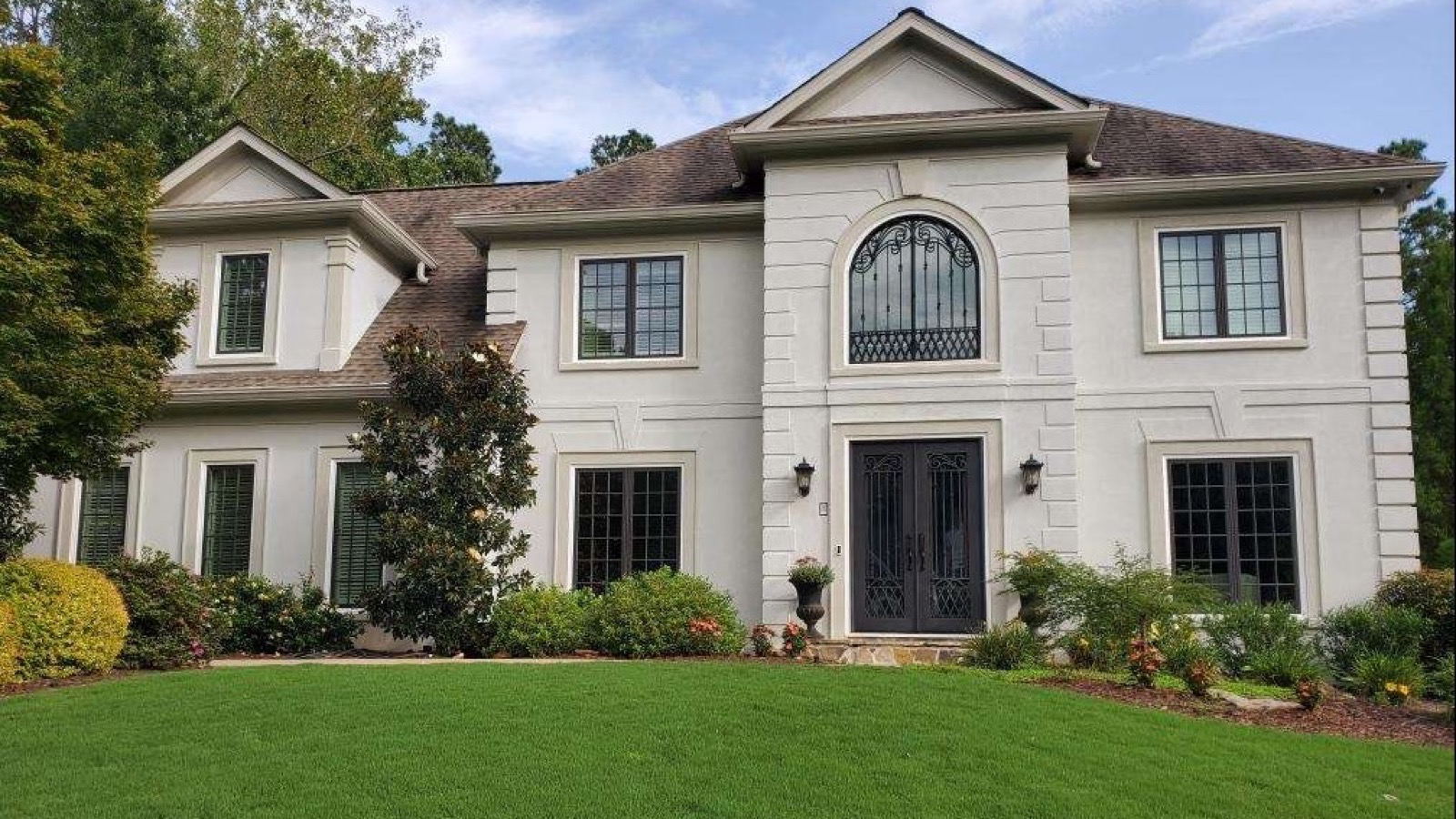
Custom and specialty windows can be crafted to fit unique structural dimensions, letting homeowners highlight tall ceilings, foyer entrances, and gable ends.
3. Transom Windows
Transom windows are narrow horizontal windows positioned directly above a door or another window. They can be fixed or operable, bringing additional natural light deep into entryways and living spaces while adding subtle architectural elegance.
Dimensional & Projection Window Styles
1. Bay Windows
If you want a dramatic focal point inside and out, bay windows are a classic choice. They extend beyond the exterior wall, creating extra interior floor space, cozy window nooks, or panoramic seating areas.
Bay windows typically consist of three glass panels set at sharp angular bends (usually 30 or 45 degrees). They commonly feature a large center picture window flanked by two operable double-hung or casement windows.
2. Garden Windows
Garden windows project outward like a mini greenhouse, complete with glass side panels and a glass roof panel. They feature an interior shelf perfect for growing herbs, houseplants, and flowers year-round while catching sunlight from every direction.
3. Egress Windows
Egress windows are mandatory safety features in basement bedrooms and living areas. Designed to meet strict local building codes, egress windows are large, operable windows—often casement or slider styles—that provide a clear emergency exit path in a fire or other emergency.
Choosing the Right Window Frame Material
The material you use to build your window frame affects durability, maintenance, aesthetic versatility, and thermal insulation. At EntryPoint, we offer multiple high-grade frame materials to suit every preference:
- Vinyl Windows: Highly popular due to their exceptional energy efficiency, low maintenance, and cost-effectiveness. Quality vinyl windows never need painting, resist rotting and insect damage, and feature multi-chambered interiors for superior insulation.
- Fiberglass: Known for extreme structural strength and stability. Fiberglass frames expand and contract at nearly the same rate as glass, reducing stress on window seals and extending overall service life.
- Aluminum: Lightweight and durable, with slim profiles that maximize glass area. Thermal-break aluminum frames offer improved thermal performance while supporting modern aesthetic styles.
- Wood & Composite: Wood offers timeless beauty and warmth for historic or traditional homes, while composite frames combine wood fibers and synthetic polymers for an authentic wood appearance with enhanced weather resistance.
Energy Efficiency & Glass Technologies
Replacing your windows is one of the most effective ways to lower heating and cooling costs in Georgia’s climate. Energy-efficient windows incorporate modern technology designed to control heat transfer:
- Double-Pane and Triple-Pane Glass: Double-pane glass uses two glass panels separated by an insulating gas space (such as argon). For maximum noise reduction and peak thermal insulation, triple-pane glass consists of three glass panels separated by two insulating gas layers.
- Low-E Coatings: Microscopically thin metallic coatings applied to glass surfaces reflect solar heat away during hot Atlanta summers while trapping indoor heat during winter.
- Noise Reduction: Multi-pane, energy-efficient windows with varying glass thicknesses significantly reduce exterior noise, creating a quieter, more peaceful indoor environment.
Why Professional Window Installation Matters
Even the highest quality energy-efficient windows will underperform if installed improperly. Professional window installation ensures proper flashing, insulation, leveling, and sealing around every window frame. Proper installation prevents water leaks, eliminates drafts, and protects your manufacturer’s warranty.
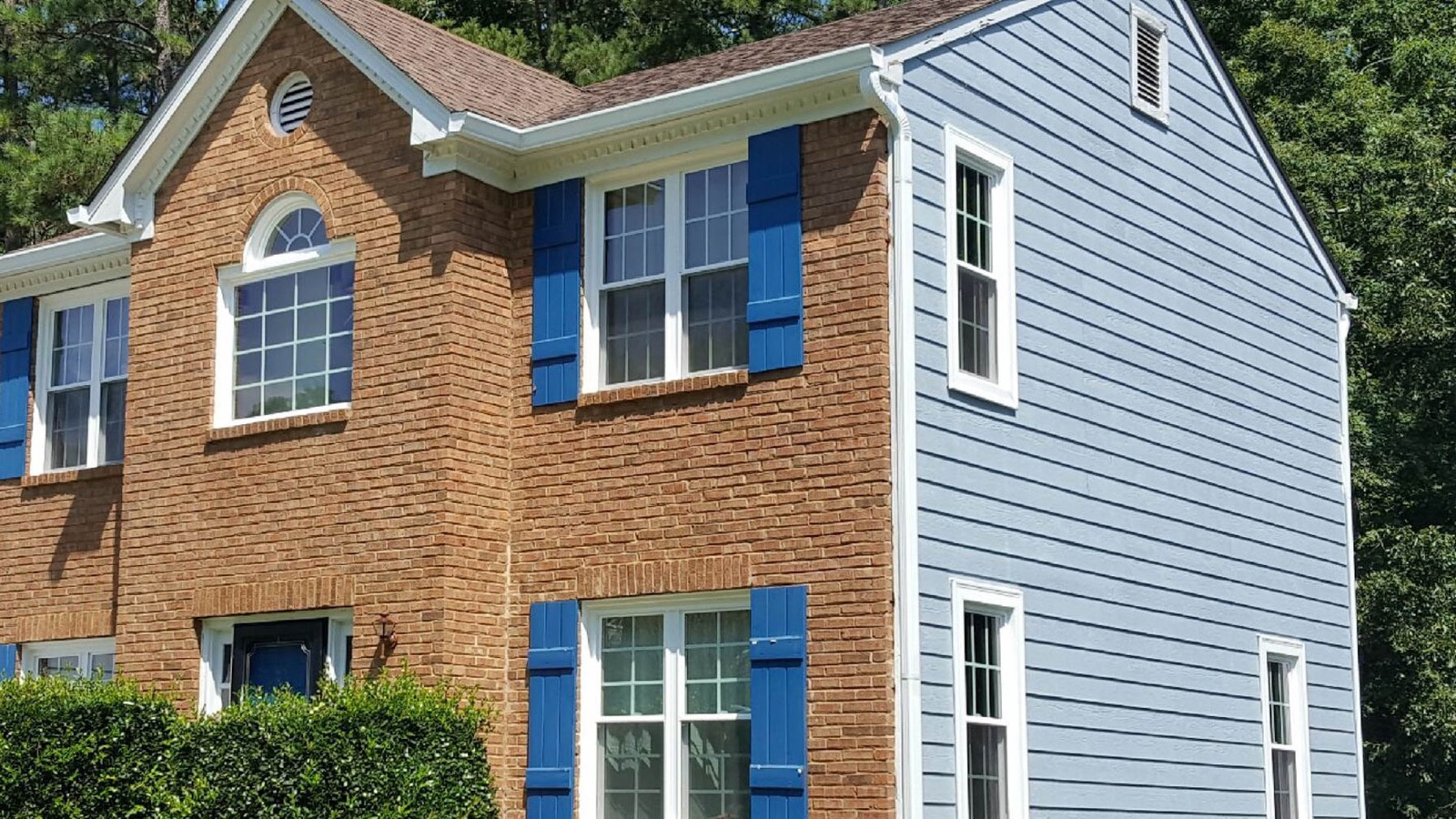
At EntryPoint Doors & Windows, our certified installers handle every project with precision and care, ensuring your replacement windows fit flawlessly and perform reliably for decades.
Find the Perfect Windows for Your Atlanta Home With EntryPoint
Whether you want classic double-hung windows, sleek casement windows, dramatic bay windows, or custom specialty windows, EntryPoint Doors & Windows will guide you every step of the way.
Since 2003, we’ve helped homeowners across Greater Atlanta choose and install high-quality windows tailored to their unique style and budget. Explore our window catalogs to view available options, visit our Buford showroom to see working displays in person, browse our online window installation gallery, or request a free estimate today!