
Drafty Windows: How They Affect Comfort, Energy Efficiency, and Utility Costs in Your Home
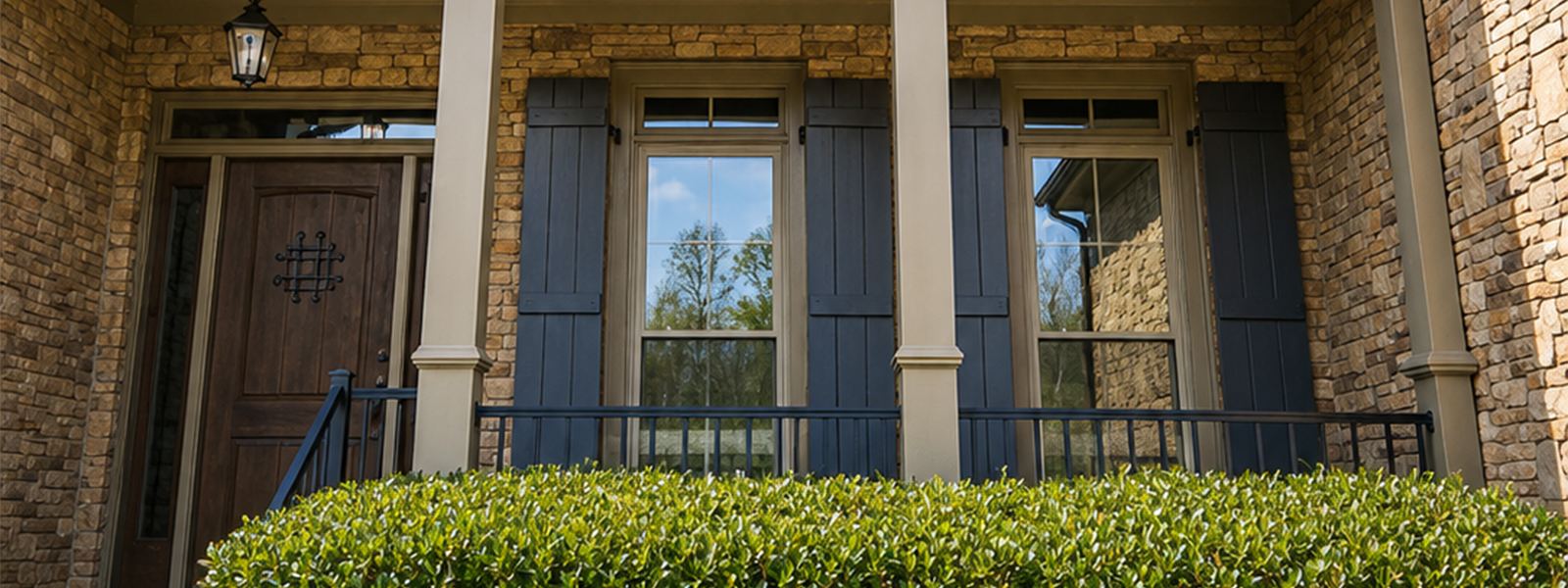
If certain rooms in your home always feel colder in the winter or hotter in the summer, drafty windows may be the culprit.
Many homeowners assume rising energy bills are simply a result of seasonal temperature changes, but the truth is that even small air leaks around windows can have a significant impact on indoor comfort and overall energy efficiency. Over time, those drafts can force your HVAC system to work harder, increase utility bills, and create uncomfortable temperature fluctuations throughout your home.
The good news? Not every drafty window requires immediate replacement. In some cases, simple repairs such as caulk, weatherstripping, or other weatherizing solutions can help. In others, investing in replacement windows may be the most cost-effective long-term solution.
Here’s how to identify drafty windows, test for air leakage, and determine whether repair or replacement is the right choice.
Why Drafty Windows Matter
Many homeowners underestimate the impact of drafty windows on their home’s performance.
When outside air enters through gaps around a window frame, sash, jamb, or glass assembly, it creates uncontrolled air leakage. This allows conditioned air to escape while unconditioned outdoor air enters your home.
The result is:
- Higher energy bills
- Increased heat loss
- Reduced indoor comfort
- Poorer overall energy efficiency
- Greater strain on your HVAC system
- More noticeable temperature differences between rooms
Over time, these issues can add up to substantial costs and reduced comfort throughout the year.
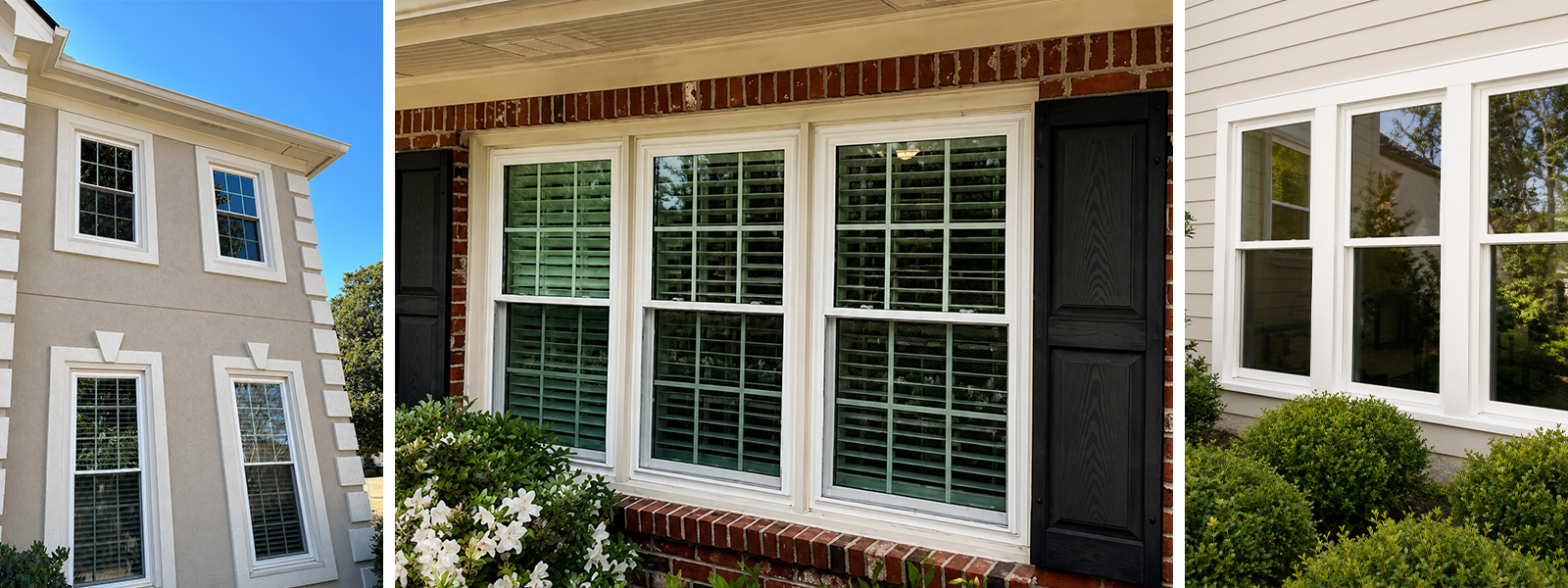
Common Signs of Drafty Windows
Not sure if you have a drafty window problem?
Here are some of the most common warning signs:
Rooms Feel Uncomfortable
If one room is consistently warmer or colder than the rest of the house, air leaks around windows may be allowing outdoor temperatures to influence indoor conditions.
Rising Utility Bills
An unexplained increase in utility bills or monthly energy bill costs is often one of the first signs of window performance issues.
Visible Condensation
Excessive condensation on glass surfaces may indicate insulation problems, air infiltration, or aging window systems.
Drafts Near Windows
If you can physically feel air movement around the window frame, sash, or jamb, your windows are likely allowing outside air inside.
Older Single-Pane Windows
Older single-pane windows are especially prone to heat loss and air infiltration because they lack modern insulating technologies.
How to Test for Drafty Windows
Fortunately, homeowners can perform several simple tests to determine whether their windows are allowing air inside.
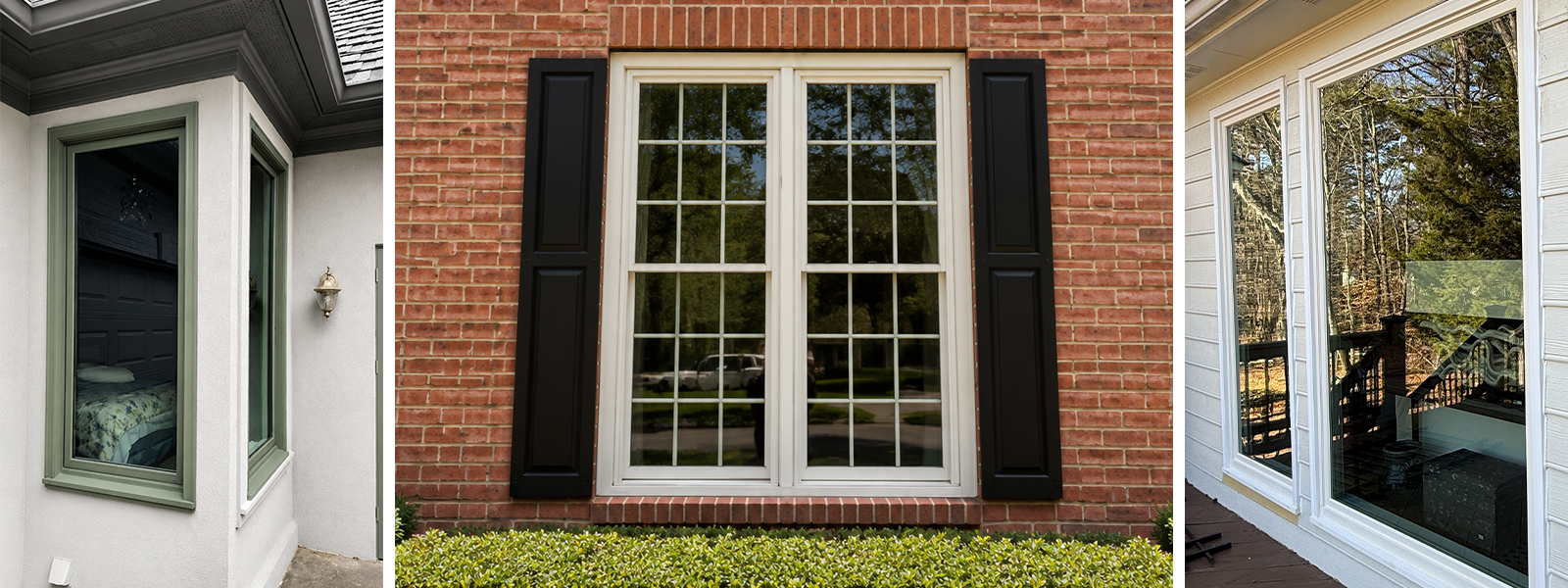
The Hand Test
One of the easiest methods is simply placing your hand around the perimeter of the window.
Move your hand slowly around the:
- Window frame
- Jamb
- Locking points
- Window sash
If you feel cool air entering or warm air escaping, you’ve likely identified an area of air leakage.
The Tissue Test
Hold a lightweight tissue or piece of paper near the window edges.
If the tissue moves noticeably while doors and windows are closed, it’s a strong indication of air leaks.
The Smoke Test
A smoke pen, incense stick, or candle can help identify hidden drafts.
Slowly move the smoke around the window perimeter. If the smoke wavers or changes direction unexpectedly, outside air is entering through gaps.
The Hair Dryer Test
Some homeowners use a hair dryer during colder weather to help identify airflow patterns. While less common, this method can make subtle drafts easier to detect when paired with smoke testing.
How to Seal Drafty Windows
Once you’ve identified the source of the problem, there are several methods available to seal drafty windows.
Caulk and Caulking
One of the most effective solutions is applying caulk around gaps where the window frame meets the surrounding wall.
Fresh caulking can help:
- Improve air sealing
- Reduce drafts
- Lower energy costs
- Prevent moisture intrusion
If existing caulk is cracked or deteriorating, you may need to recaulk the affected areas.
In older homes, homeowners often find that simply taking time to re-caulk windows significantly improves comfort.
Weatherstripping
Weatherstripping is designed to seal movable portions of windows and doors.
Common forms of weather stripping, weather strip, and weatherstrip products can be installed around operable window components to reduce airflow and improve efficiency.
Weatherstripping works especially well on:
- Double-hung windows
- Sliding windows
- Casement windows
- Exterior doors
Sealants
High-quality sealant products can be used in conjunction with caulk to improve overall weather resistance and prevent unwanted airflow.
Different sealants are designed for specific materials and environmental conditions.
Draft Stoppers
For temporary solutions, a draft stopper or draft stoppers can help reduce airflow around older windows.
While not a permanent repair, they can provide short-term comfort improvements.
Rope Caulk
Rope caulk is another temporary weatherproofing option. It can be pressed into gaps and removed seasonally, making it useful for older windows.
Shrink-Wrap and Shrink Film
Many homeowners use shrink-wrap window kits during winter months.
These kits use clear shrink film or shrink wrap material applied over the interior window opening to create an insulating air pocket.
While not a substitute for proper repairs, shrink-wrap systems can improve comfort and reduce heat loss.
Weatherizing Your Windows
Comprehensive weatherizing efforts often combine:
- Caulk
- Weatherstripping
- Air sealing
- Window treatments
- Temporary insulation products
These measures can significantly improve window performance.
Can Storm Windows Help?
In some situations, adding a storm window can improve efficiency without replacing the original unit.
Modern storm windows add an extra layer of protection against air infiltration while helping reduce heat transfer.
For homeowners with historic homes or unique architectural features, storm windows can be an effective intermediate solution.
When Repairs Are No Longer Enough
While many draft problems can be addressed through air sealing, repairs aren’t always the best long-term option.
If your windows have:
- Significant air leakage
- Rotting frames
- Failed insulated glass
- Persistent condensation between panes
- Structural deterioration
It may be time to consider replacement windows.
Repeatedly trying to seal drafty windows that have reached the end of their lifespan can become more expensive than replacing them.
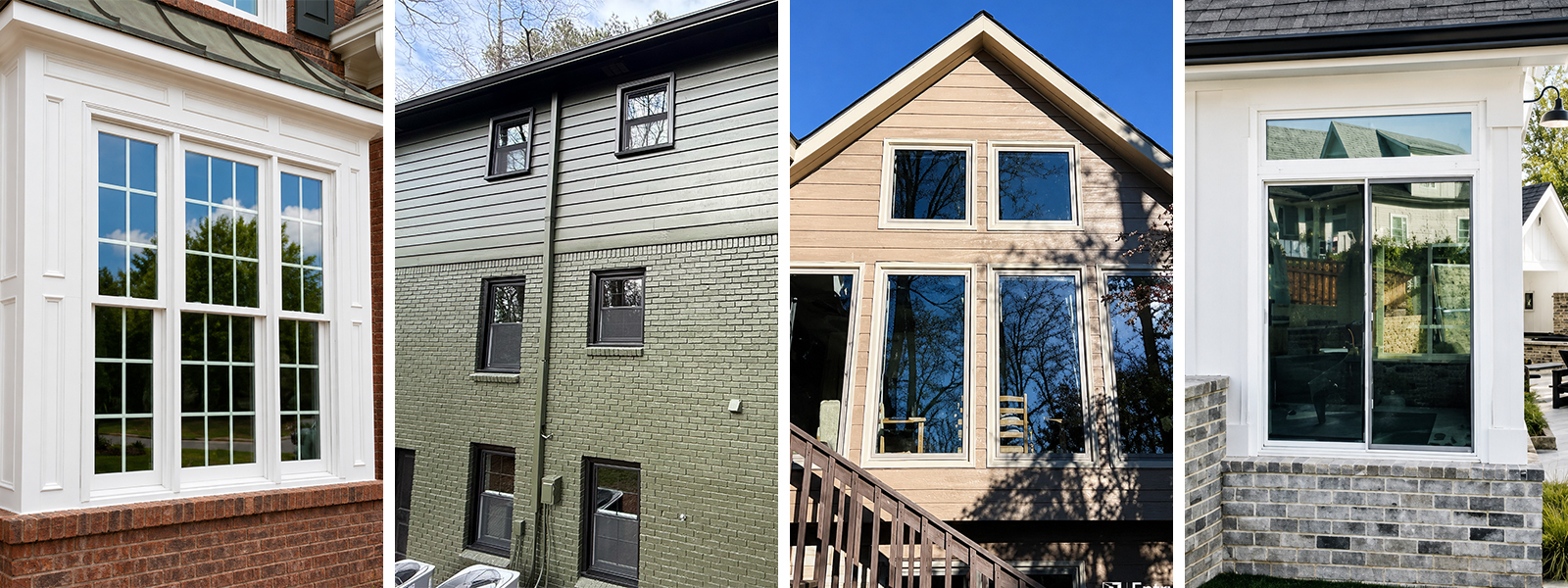
The Benefits of Replacement Windows
Today’s replacement window products offer major improvements over older designs.
Modern windows provide:
- Improved energy efficiency
- Better air sealing
- Lower energy consumption
- Reduced noise infiltration
- Enhanced curb appeal
- Long-term energy savings
Many homeowners notice immediate reductions in utility bills after upgrading older window systems.
Additionally, newer window technologies help reduce heat loss in winter while limiting unwanted solar heat gain during the summer.
Don’t Forget About Exterior Doors
While windows often receive the most attention, aging exterior doors can also contribute to drafts and reduced efficiency.
If you’re addressing window issues, it’s worth evaluating the condition of your exterior doors as part of a comprehensive home performance assessment.
Repair or Replace?
The decision ultimately comes down to the condition of your existing windows.
If the problem is limited to minor gaps, deteriorated caulk, or worn weatherstripping, repairs may be enough.
However, if you’re dealing with older single-pane windows, persistent air leakage, excessive condensation, or rising energy costs, investing in modern replacement windows often delivers the greatest long-term value.
For homeowners throughout Metro Atlanta, addressing drafty windows is one of the most effective ways to improve comfort, reduce energy bills, increase energy efficiency, and create a healthier, more comfortable living environment year-round.
When your windows are performing properly, your home stays more comfortable, your HVAC system works less, and your energy dollars go further. That’s an investment that pays off every season.